Starting School: A Gentle Guide to the First Weeks
Tiny uniform, enormous feelings — for both of you. How to prepare your child for starting school, survive teary drop-offs, and steady the wobbles once term begins.
Published 13 July 2026 · Updated 27 September 2026
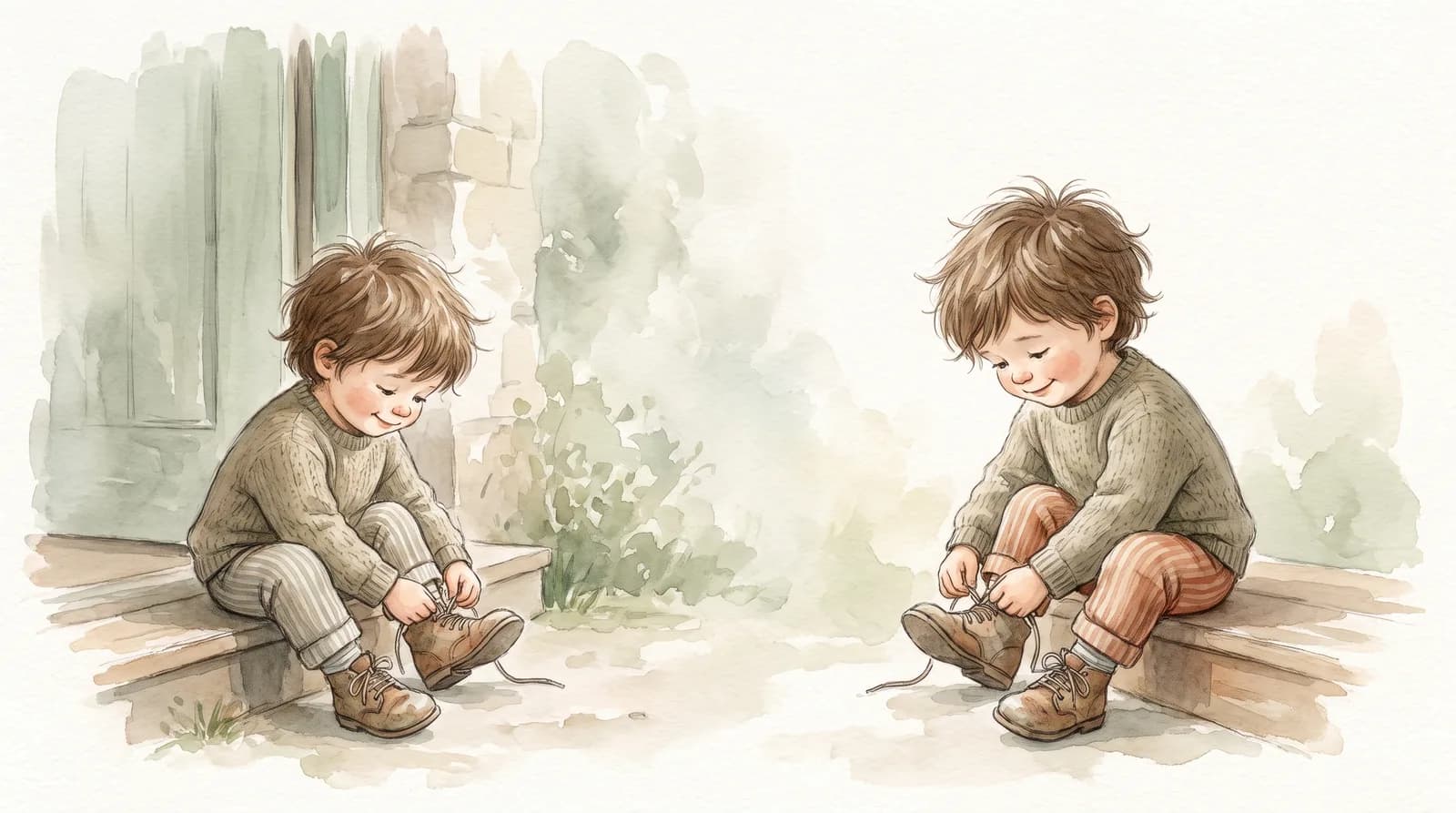
There's a moment that catches almost every parent off guard: the school uniform laid out the night before, impossibly small, and a lump in your throat you didn't order. Starting school is one of childhood's biggest transitions — and one of parenthood's, too. The good news: children don't need a perfectly prepared start. They need a calm one.
What school readiness actually means
It's easy to panic about letters and numbers. But teachers will tell you the things that genuinely help a child settle are simpler and more human:
- Being able to separate from you without falling apart every time (mostly, imperfectly).
- Managing the basics — coat, shoes, lunch, and using the toilet by themselves.
- Asking a grown-up for help when they're stuck.
- Taking turns and coping (roughly) when things don't go their way.
Reading can wait; that's literally what school is for. And if your child isn't solid on all of the above yet — that's fine too. Reception teachers meet the whole glorious range every September, and children are not being graded on day one.
Over the summer: prepare lightly
Think gentle familiarity, not bootcamp:
- Make school a normal, boring topic. Walk past the building. Mention it in passing. Read a couple of starting-school picture books.
- Practise the practical bits as games. Getting the uniform on and off (toilets require it!), opening the lunchbox and yoghurt tube, hanging a coat on a peg.
- Stretch separations a little if your child hasn't been away from you much — an hour with grandparents or a friend builds the "grown-ups come back" muscle.
- Keep your own tone light. Children read us fluently. If school talk comes wrapped in your anxiety, they'll conclude there's something to worry about.
One trap to avoid: overselling. "You'll LOVE it! Best days of your life!" sets up a promise day one may not keep. Try honest and warm instead: "There'll be new things and some strange things, and your teacher will help you. And I will always come back."
Drop-off: the art of the short goodbye
The first mornings are where most tears happen — theirs and yours.
- Build a goodbye ritual and repeat it daily: two hugs, one kiss, our special handshake, "see you after lunch outside the door." Predictability is comfort.
- Keep it short and confident. Long, lingering goodbyes tell a child there's something to be worried about. Warm, brief, gone.
- Never sneak away. It avoids one hard moment and buys weeks of a child who won't let you out of sight.
- Trust the recovery. The child sobbing at the gate is very often playing happily four minutes later — ask the teacher, they'll tell you honestly.
If you're the one welling up, that's allowed. Just save the proper cry for the walk home.
The first weeks at home: expect the dip
Almost every new starter is exhausted in ways that surprise parents — school is a marathon of newness. Expect ravenous hunger at pick-up, meltdowns over nothing by 4pm, and sometimes a return of younger behaviour: clinginess, wobbles, accidents, waking at night. None of it means school is going wrong. It means your child is working hard.
Help by keeping everything else small: early bedtimes, quiet weekends, snacks at the gate, and no interrogation at pick-up — the stories leak out later, in the bath or at lights-out.
Help the teacher know your child
Teachers meet thirty new personalities in a week; anything that helps them see your child quickly is gold. Many parents find it useful to jot down what their child loves, what they find hard, and what helps when they're upset — especially for children with additional needs, where a one-page profile can save weeks of guesswork. Our free About My Child one-pager is made for exactly this.
If the wobbles don't fade
Most settling troubles ease over the first half-term. If drop-offs are still distraught after weeks, or your child seems increasingly withdrawn, complains of tummy aches every school morning, or dreads going in, don't white-knuckle it alone. Start with the teacher — settling plans, a peg buddy, a comfort object in the book bag can all help. If the distress runs deeper or your instincts are prickling, your GP or health visitor is the right next call. For some children, including autistic children, the school environment itself may need adjusting — that's the school's job to accommodate, never your child's job to endure.
Look after yourself too
Nobody quite warns you how strange the first weeks feel on your side of the gate. The house is quieter, the day has a new shape, and someone else now knows things about your child's day that you don't. A wobble at the gate (yours), a lump in the throat at the first painting brought home — all normal, all allowed. Line something up for the first morning — a walk, a coffee with another new-starter parent — rather than driving straight home to the silence. And be patient with the information drought: "fine" and "can't remember" are standard-issue answers from perfectly happy children. The real detail arrives sideways, weeks later, usually at bedtime.
The long view
However the first weeks go — smiling skips through the gate or barnacle-grip mornings — what your child will remember is not whether they cried in September. It's that the biggest change of their small life came with a steady hand in theirs. That's you. Pack the spare socks, keep the goodbyes short and the welcomes warm, and let the little uniform do its growing.
Bring ParentUp home
Get gentle daily steps, your child's profile, and Coach Ella in your pocket — free to start.