Age-Appropriate Chores: Raising a Capable Child
Chores aren't just about a tidy house — they build responsibility, confidence, and belonging. Here's what children can do at each age.
Published 20 May 2026 · Updated 27 September 2026
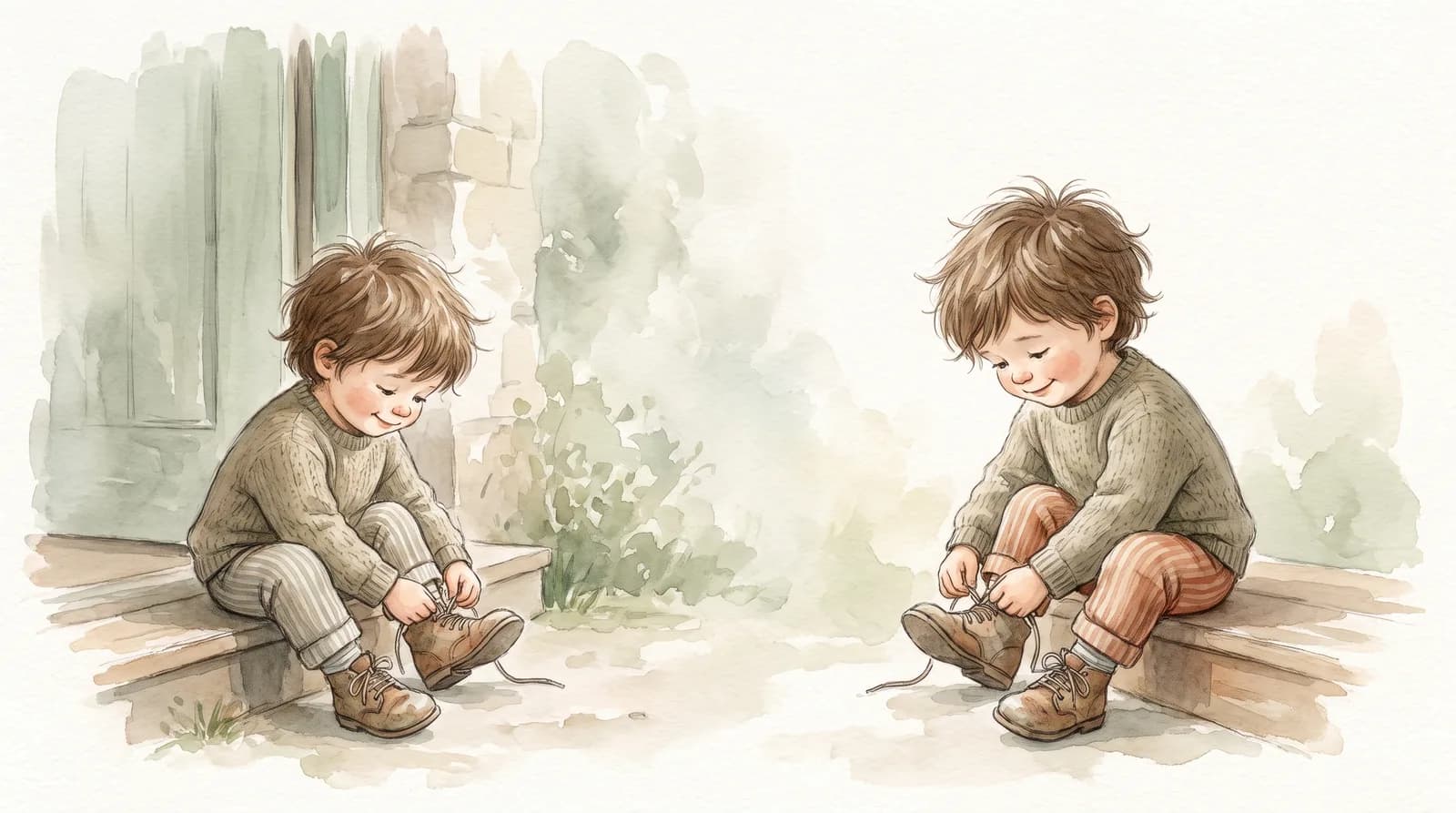
Involving children in the running of the home does far more than lighten your load. Contributing to family life builds competence, responsibility, and a deep sense of belonging — the feeling of being a needed member of the team. Chores, done right, are a gift, not a punishment.
Why chores matter
When children help, they learn that their effort matters to people they love. They practise real skills, build confidence through doing hard things, and come to see themselves as capable. The tidy worktop is a bonus; the growth is the point.
What children can do, roughly by age
Every child is different, so treat these as a guide, not a rule:
- Toddlers (2–3): put toys in a basket, carry their cup to the sink, "help" wipe a surface.
- Preschool (4–5): set the table, feed a pet, sort laundry by colour, water plants.
- Primary (6–9): make their bed, pack their bag, tidy their room, simple food prep with you.
- Older primary (10–12): load the dishwasher, take out rubbish, basic cooking, look after a pet more fully.
- Teens: cook a simple meal, do their own laundry, manage some shopping or budgeting.
Set them up to succeed
- Teach, don't just assign. Do it together first, then step back.
- Accept imperfect. A wobbly-made bed they did beats a perfect one you did.
- Make it routine, tied to a regular time so it becomes a habit, not a daily negotiation.
Should chores be paid?
Families differ here. Many find it helpful to keep everyday contributions unpaid — because we all pitch in as a family — while using occasional bigger jobs to teach about earning and money. There's no single right answer; choose what fits your values.
Keep it positive
Notice the contribution warmly ("thanks for feeding the cat — she really relies on you") rather than only stepping in to criticise. The aim is a child who helps because they belong, not because they fear the consequence of refusing.
Bring ParentUp home
Get gentle daily steps, your child's profile, and Coach Ella in your pocket — free to start.