Ending Bedtime Battles: A Gentle Wind-Down That Works
Endless requests for water, one more story, and 'I'm not tired!' Here's how to build a bedtime routine that helps your child actually settle.
Published 30 March 2026 · Updated 27 September 2026
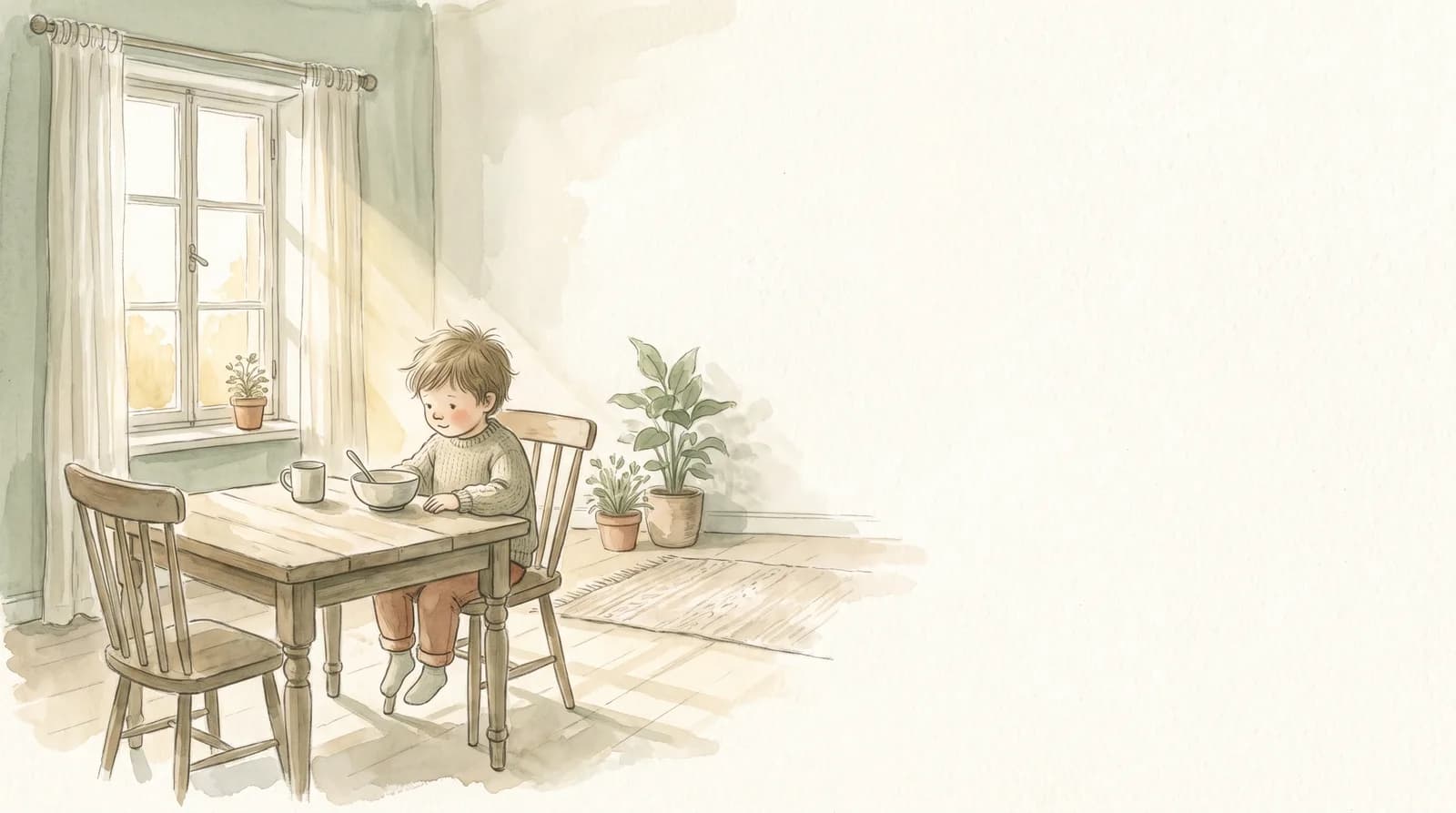
Bedtime is when everyone's reserves are lowest — children included. The stalling, negotiating, and sudden bursts of energy aren't your child being difficult on purpose; an overtired brain often looks wired rather than sleepy. A calm, predictable wind-down is the most powerful sleep tool you have.
Why bedtime goes wrong
A child who has had too much stimulation — screens, rough play, bright light — close to bedtime will struggle to switch off. Hunger, a busy mind, or simply not wanting the day (or time with you) to end all add to the stalling.
Build a predictable wind-down
The hour before bed matters more than the bed itself. Keep the same calm sequence every night so your child's body learns what's coming:
- Dim the lights and lower the energy after dinner.
- Switch off screens well before bed — their glow and content both keep brains alert.
- Follow the same order: bath, pyjamas, teeth, stories, lights out.
- End with connection: a chat about the day, a cuddle, a familiar phrase.
Handle the stalling kindly but firmly
Decide in advance how many stories and how much water, then hold it warmly. "We read two stories — those were lovely. Now it's sleep time. I'll see you in the morning." Endless new requests usually fade once a child trusts the routine won't bend.
Address the worries
Sometimes stalling hides anxiety about the dark or being alone. Take worries seriously without over-feeding them: a nightlight, a comfort toy, and a calm "you're safe, I'm nearby" go a long way.
Be patient with change
A new routine takes a week or two to settle. Consistency is what teaches the brain to expect sleep. Hold the rhythm gently, even on the wobbly nights, and bedtime slowly becomes the calm close to the day it's meant to be.
If sleep problems are severe or persistent and nothing seems to help, your GP or health visitor can offer guidance tailored to your child.
Bring ParentUp home
Get gentle daily steps, your child's profile, and Coach Ella in your pocket — free to start.