After-School Restraint Collapse: Why Kids Fall Apart at Home
Angel at school, thunderstorm at the front door? That end-of-day meltdown has a name — and it's secretly a compliment. Here's how to soften the landing.
Published 1 July 2026 · Updated 27 September 2026
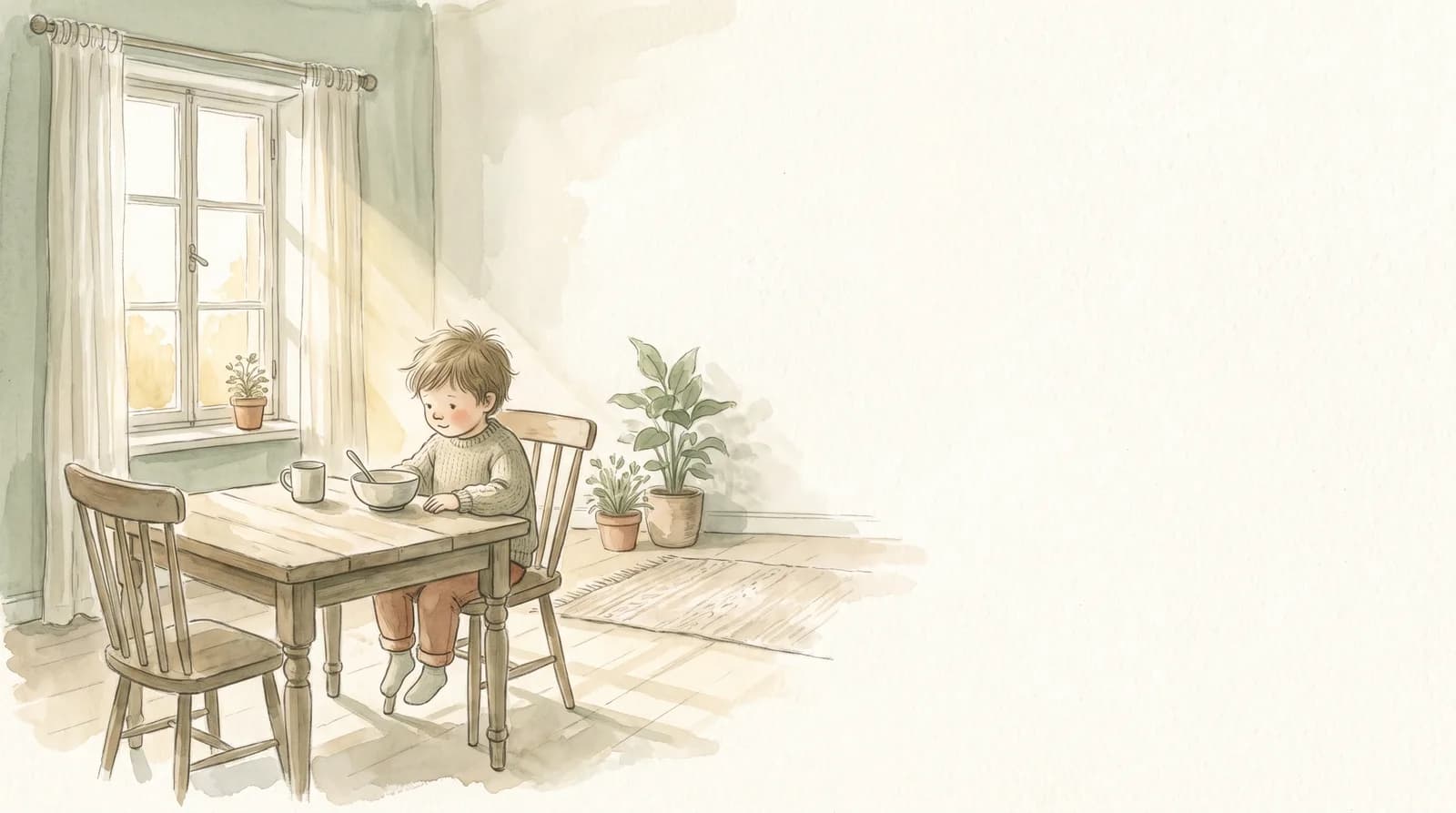
The teacher says they've had a lovely day. Then the classroom door closes behind you, and your lovely child turns into a small thunderstorm — snapping, crying, kicking the buggy, dissolving entirely over the wrong colour cup. If your child saves their worst for you, take a strange kind of comfort: it's so common it has a name.
What's actually happening
School asks an enormous amount of a child. Sit still, listen, share, queue, follow rules, manage friendships, hold in frustration, be "good" — for six solid hours. Your child spends all day squashing every impulse and big feeling down, using up their self-control like a battery draining bar by bar.
Then they see you. And because you are their safe person, everything they've been holding in comes flooding out. This end-of-day unravelling is sometimes called after-school restraint collapse — the collapse of a full day's restraint, all at once, on the person they trust most.
The backwards compliment
It doesn't feel like it when you're being screamed at over a snack, but that explosion is evidence of two good things. First, your child can hold it together — they've just proved it, all day. Second, they feel safe enough with you to finally let go. Children don't fall apart in front of people they don't trust. You're not getting their worst because you're doing something wrong; you're getting it because you're home.
What it isn't
It isn't rudeness that needs stamping out, a sign school went badly, or a reflection of your parenting. And a child who is snappy at 3.30pm hasn't "been fine all day and is now playing up" — they're running on empty. Meeting an empty child with consequences tends to refill nobody.
The classic pick-up mistakes (we've all made them)
- The interview. "How was school? What did you do? Who did you play with?" — fired at a child with nothing left. Most children genuinely can't do questions yet.
- Straight to jobs. Homework, reading folder, music practice at 3.45pm is asking a drained battery to sprint.
- The packed schedule. Clubs and errands stacked on the school day leave no room to refuel.
- Taking the storm personally. Hard, because it lands on you. But it's overflow, not a message.
Build a gentle after-school restart
What drained children need is predictable, undemanding refuelling. The same soft landing every day, before any questions or homework:
- Food and drink first. Blood sugar is usually on the floor at pick-up. Bring a snack to the gate if you need to.
- Quiet, or movement — their pick. Some children need to flop somewhere calm; others need to charge around the garden. Both are decompression.
- No questions yet. Try "You don't have to tell me about your day. I'm just glad to see you." The stories come later, sideways — in the bath, in the car, at lights-out.
- Connection without demands. Sit nearby. Read. Potter. Your undemanding presence is the recharge.
- Then the day can start again. Homework, chat and plans all go better after the restart, not instead of it.
If it helps to make the rhythm visible, our free After-School Restart chart turns this into a calm little routine your child can follow without being told.
Scripts for the school gate
What you say in the first two minutes sets the tone for the hour. A few that earn their keep:
- "I'm so glad to see you." (Full stop. No question mark anywhere.)
- "Snack's in my bag — cheese or banana?" (A small choice hands back a scrap of the control school took.)
- "You don't have to talk yet." (Magic words for a child bracing for the interview.)
- "Rough day? You can tell me later, or not at all." (Keeps the door open without pushing them through it.)
Siblings collide hardest in this hour too — two drained children, one sofa, no patience left anywhere. Feed them before expecting sharing, give them separate space where you can, and save any fairness inquests for after tea. And if the storm comes despite your best gate-side work, it isn't a script failure — some days the bill for holding it together is simply bigger, and it gets paid on you.
Some children need more runway
Children who find school especially effortful — including many autistic children and children with ADHD, who may be masking or working twice as hard to meet the same demands all day — often have bigger collapses and need longer to recover. That's not a behaviour problem; it's an honest bill for an expensive day. More decompression, fewer after-school demands, and real understanding go a long way.
When it might be more
Restraint collapse is about the effort of the day, not distress about school itself. If your child also dreads going in, complains of tummy aches every morning, talks about friendship trouble, or seems flat and withdrawn rather than explosive, it's worth a gentle chat with their teacher — and with your GP if the unhappiness persists. Trust your instincts.
And a word for you
The after-school hour is hard on parents too — you've often had your own long day, and being met with a storm instead of a smile stings. You don't have to absorb it perfectly. Stay as steady as you can, keep the snack coming, and remember: the falling-apart is proof they held it together, and proof of where they feel safe. Both of those, you built.
Bring ParentUp home
Get gentle daily steps, your child's profile, and Coach Ella in your pocket — free to start.