Supporting Your Child's Sensory Needs at Home
From scratchy labels to loud hand dryers, the everyday world can feel overwhelming for sensory-sensitive children. Here's how to make home a calmer place.
Published 8 June 2026 · Updated 27 September 2026
A note before you read
This article is general educational support to help you understand and support your child — it is not medical, psychological, or diagnostic advice, and it can't replace a conversation with a qualified professional who knows your family. If you have concerns about your child's development, health, or wellbeing, please speak with your GP, paediatrician, or a relevant specialist.
For some children, the everyday sensory world is turned up far too loud. A clothing label can feel unbearable, a busy supermarket can be overwhelming, and a hand dryer can be genuinely frightening. When you understand your child's sensory experience, you can shape a home that helps them feel calm and safe.
Sensory differences are real
Many children — including autistic children and those with sensory processing differences — experience sight, sound, touch, taste, smell, and movement more or less intensely than others. Some seek out sensory input; some are easily overwhelmed by it; many are a mix. This isn't fussiness or drama — it's how their nervous system takes in the world.
Learn your child's sensory profile
Watch for patterns. Does your child cover their ears, avoid certain textures, crave deep pressure, spin and crash, or melt down in busy places? Noticing what soothes and what overwhelms them is the foundation for supporting them well. They are the expert on their own experience.
Small changes that help at home
- Soften the input: remove scratchy labels, dim harsh lights, reduce background noise.
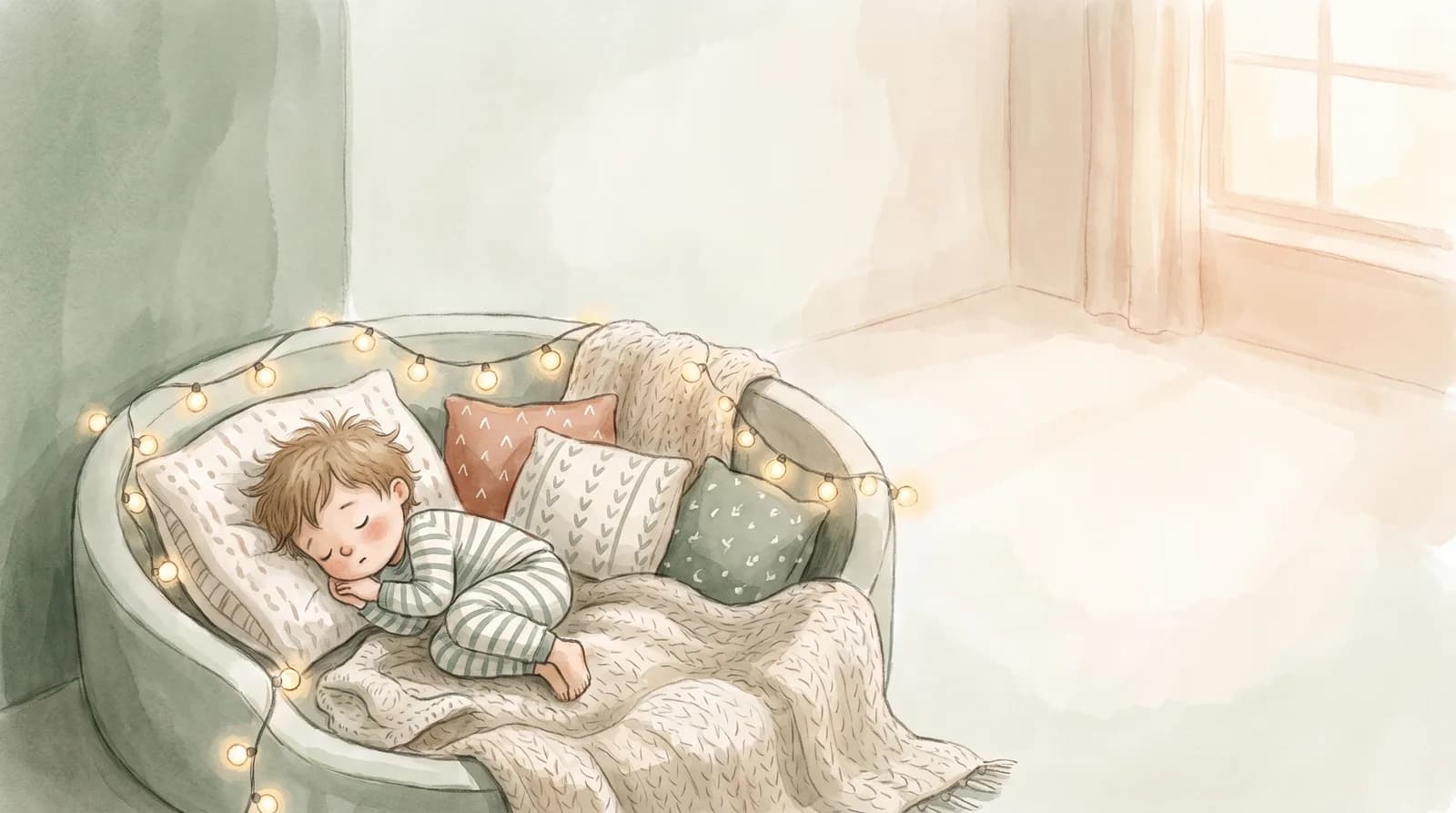
- Create a calm space: a cosy, low-stimulation corner your child can retreat to.
- Offer regulating tools: ear defenders, weighted items, fidgets, or movement breaks, led by what your child finds helpful.
- Prepare for tricky places with warnings, comfort items, and an exit plan.
Respect their signals
If your child says something is too loud, too bright, or too much, believe them. Pushing a child to "just cope" with genuine sensory pain erodes trust. Honouring their limits — and giving them ways to manage — builds confidence and calm.
Affirm, don't fix
The goal isn't to toughen your child up or make them ignore their senses. It's to understand and support how they experience the world, and to build a life that works with their sensory needs. An occupational therapist can offer tailored strategies, and the organisations below provide trusted, affirming information if you'd like to learn more.
Bring ParentUp home
Get gentle daily steps, your child's profile, and Coach Ella in your pocket — free to start.